
One of the most absurd accusations in the crusade against AI is that it “steals” the content it uses for training. And the even more absurd thing is that, in order to work, this narrative desperately needs to lean on the notion of copyright. Without that conceptual crutch, in fact, the word “theft” would immediately begin to creak.

Una delle accuse più assurde della crociata contro la AI è quella di “rubare” i contenuti che usa per addestrarsi. E la cosa ancora più assurda è che questa narrativa, per funzionare, ha un bisogno disperato di appoggiarsi alla nozione di copyright. Senza quella stampella concettuale, infatti, il termine “furto” comincerebbe subito a scricchiolare.
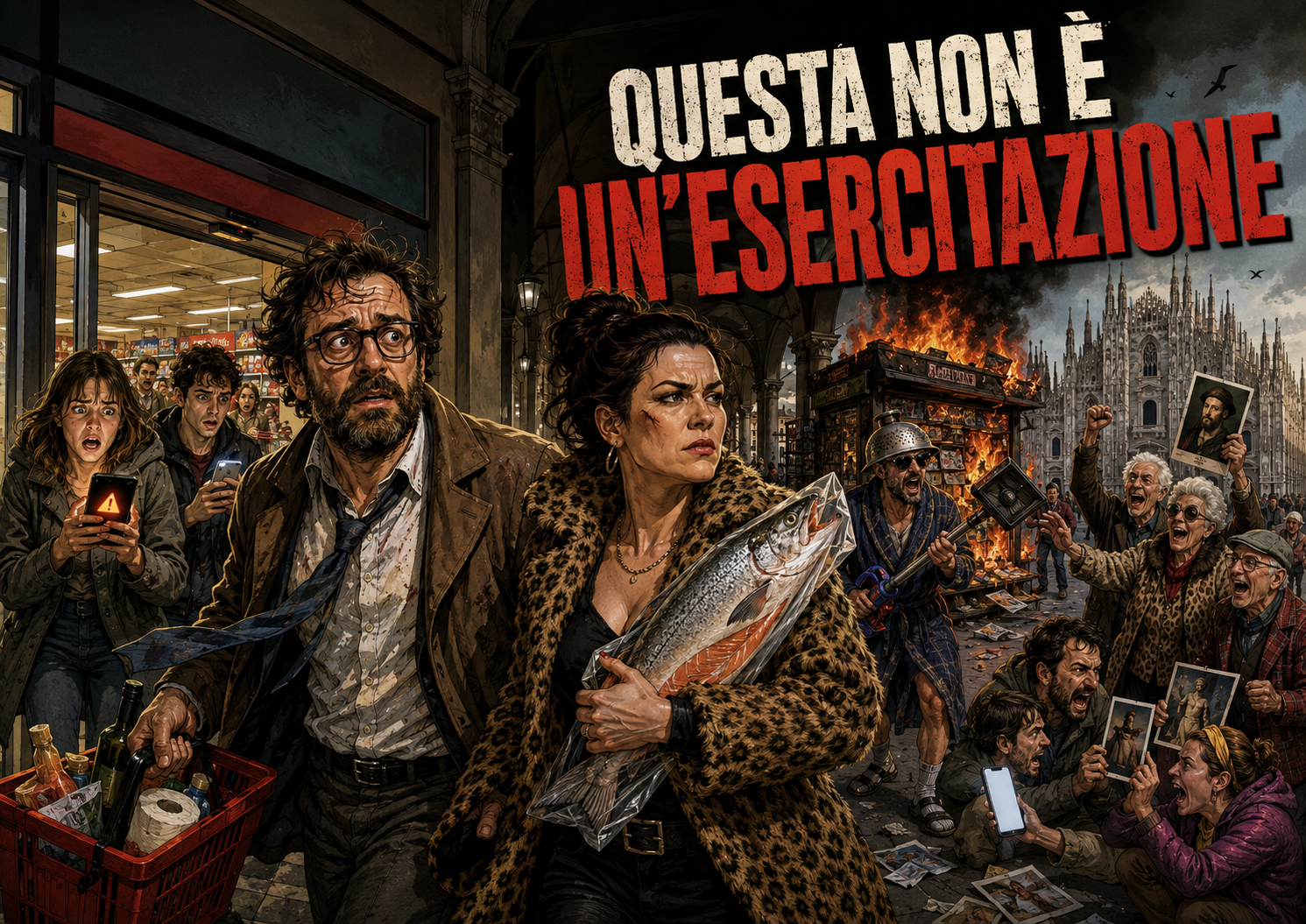
And so, I felt like writing a short story.....
I had been in Milan for only a few hours, having arrived from Germany with that slightly unreal feeling you get when you step off a train or a plane and the world around you is speaking your language again, but not exactly as you remembered it. Milan was doing Milan: traffic, nervous air, people walking as if they were on their way to fire someone, scooters launched like morally superior projectiles, and that Lombard grey which is not a colour, but a diagnosis.
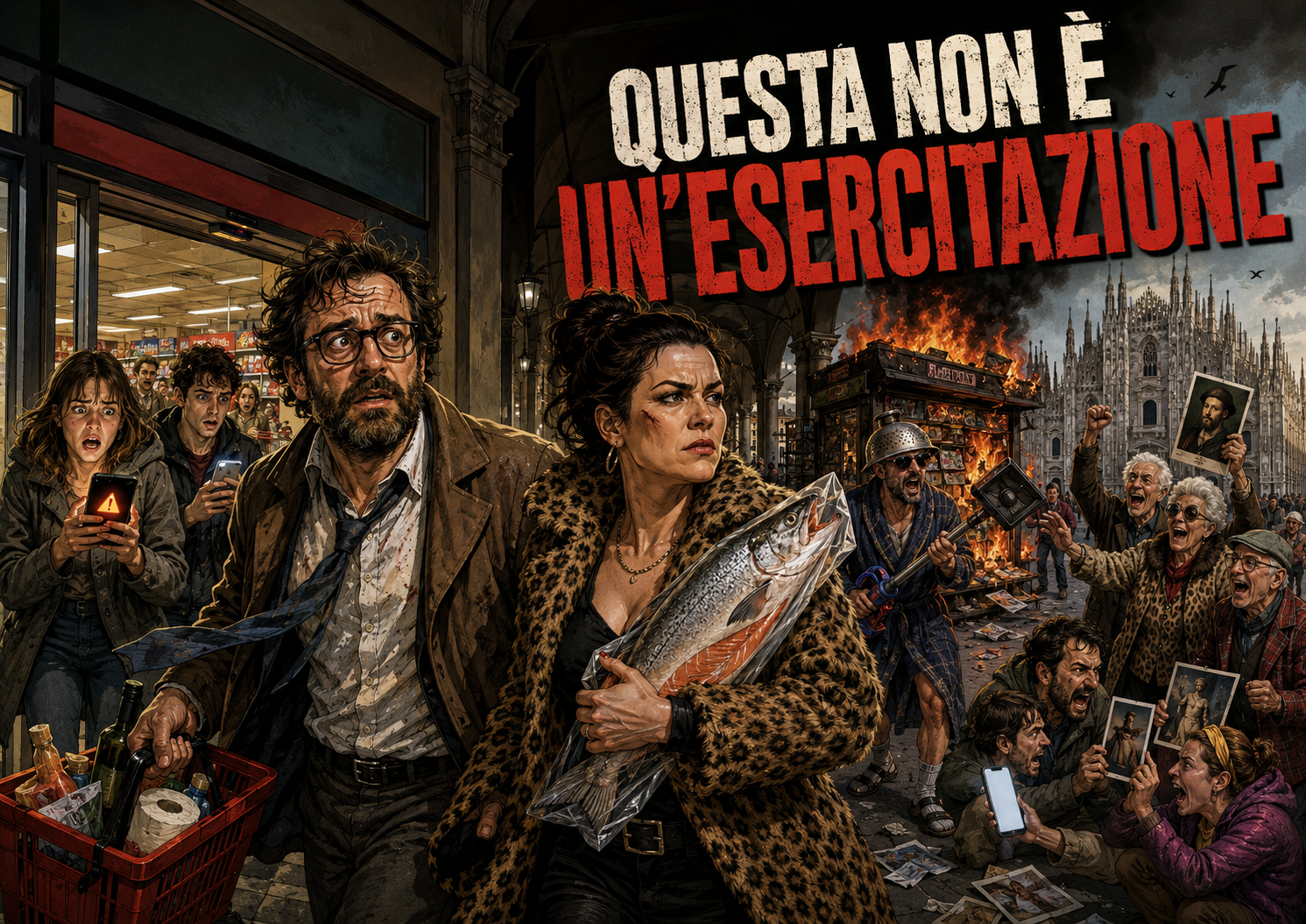
E niente, mi e' venuto da scrivere una storia breve.
Ero a Milano da poche ore, arrivato dalla Germania con quella sensazione leggermente irreale che si prova quando si scende da un treno o da un aereo e il mondo attorno parla di nuovo la tua lingua, ma non esattamente come la ricordavi. Milano faceva Milano: traffico, aria nervosa, gente che camminava come se stesse andando a licenziare qualcuno, monopattini lanciati come proiettili moralmente superiori, e quel grigio lombardo che non è un colore, ma una diagnosi.
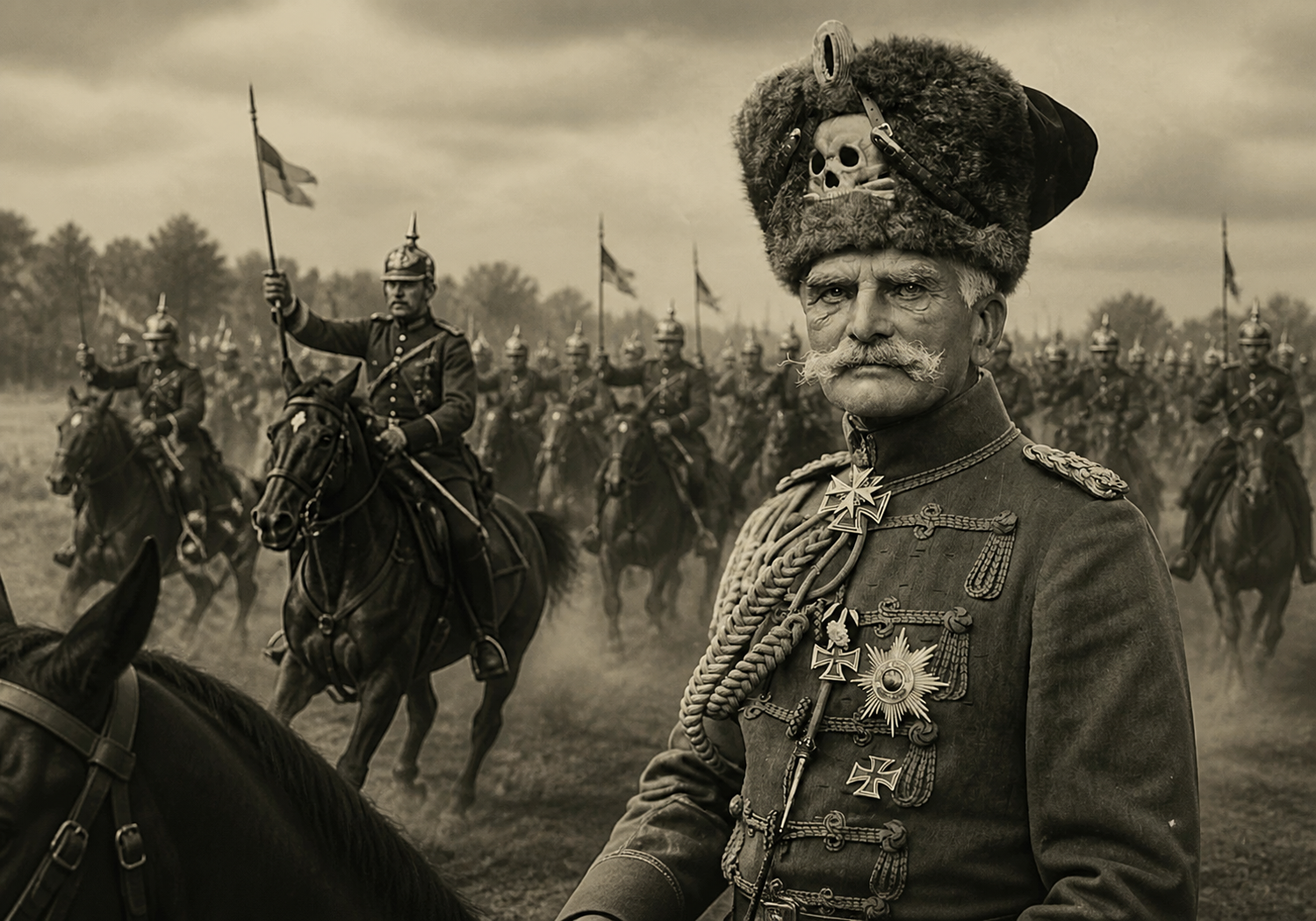
One of the most irritating things — as well as one of the weak points of politics in the sovereign age — is this habit of talking about one’s ideas without actually doing politics. That is, without ever getting to the essential point: saying, or at least suggesting, what policy should follow from those ideas. What the concrete actions of the national government should be, in other words, once those ideas become a policy, a majority, executive power, a signature on a decree, an order given to an official, an instruction sent to a police headquarters, a rule written into the Official Gazette.
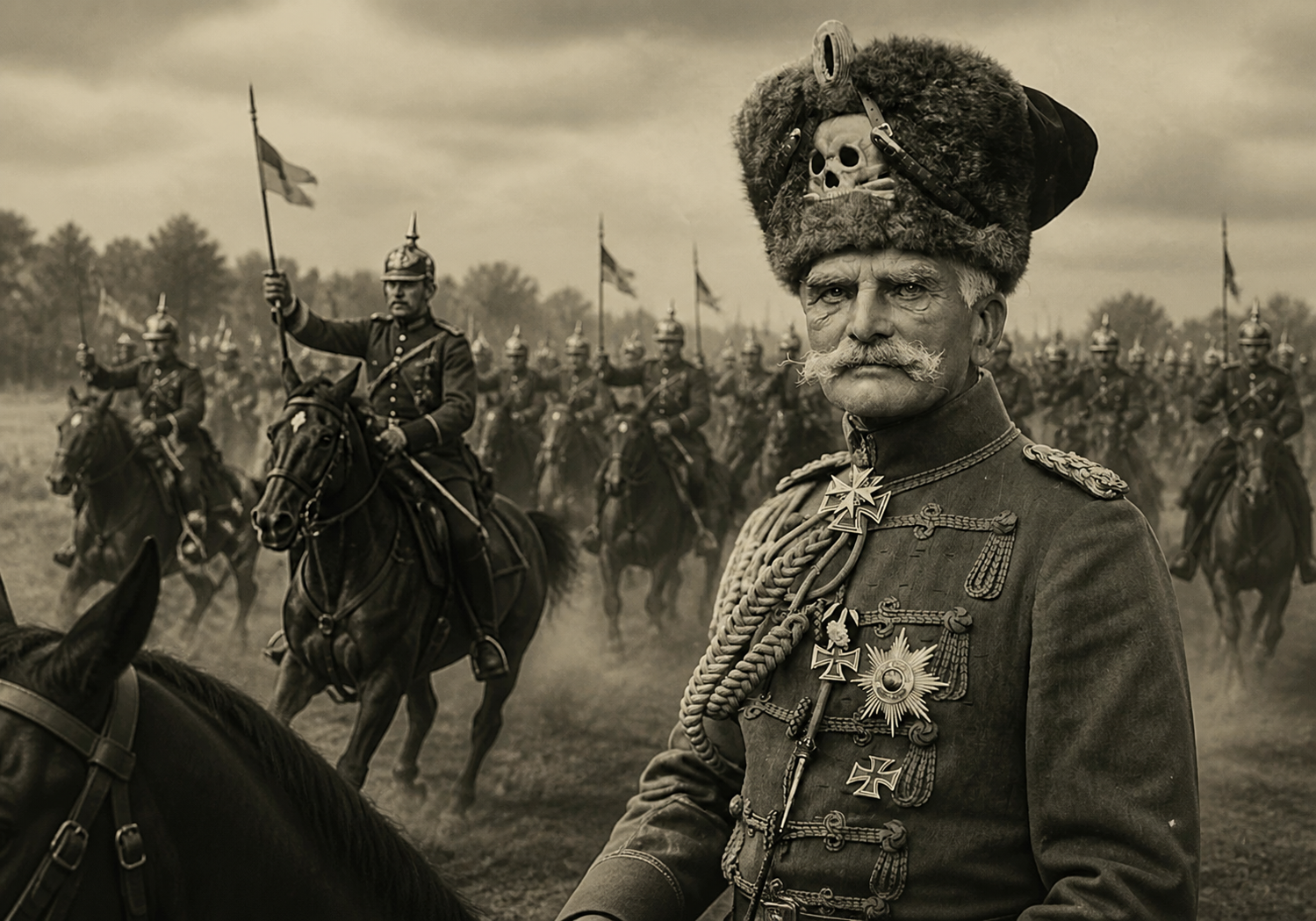
Una delle cose più irritanti — nonché uno dei punti deboli della politica nell’era sovranista — è questa abitudine di parlare delle proprie idee senza fare politica. Cioè senza mai arrivare al punto essenziale: dire, o almeno suggerire, quale dovrebbe essere la politica conseguente a quelle idee. Quali dovrebbero essere, cioè, le azioni concrete del governo nazionale, una volta che quelle idee diventano programma, maggioranza, potere esecutivo, firma su un decreto, ordine dato a un funzionario, istruzione mandata a una questura, norma scritta in Gazzetta Ufficiale.
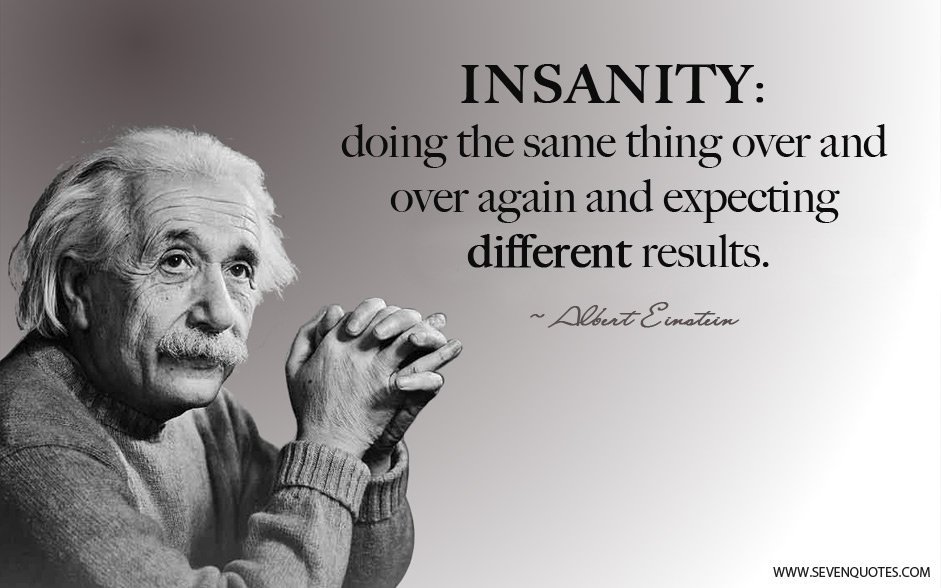
The emergency caused by the new Hantavirus outbreak aboard a cruise ship and the energy crisis triggered by Trump’s war with Iran have something profoundly similar about them. And I am not simply referring to the fact that both are frightening, or that they dominate newspaper headlines for a few weeks. I am referring to the very psychological and political structure of the emergency itself: two crises arriving only a handful of years after other almost identical crises, and therefore striking societies that are already stressed, already traumatised, already conditioned by recent experiences.
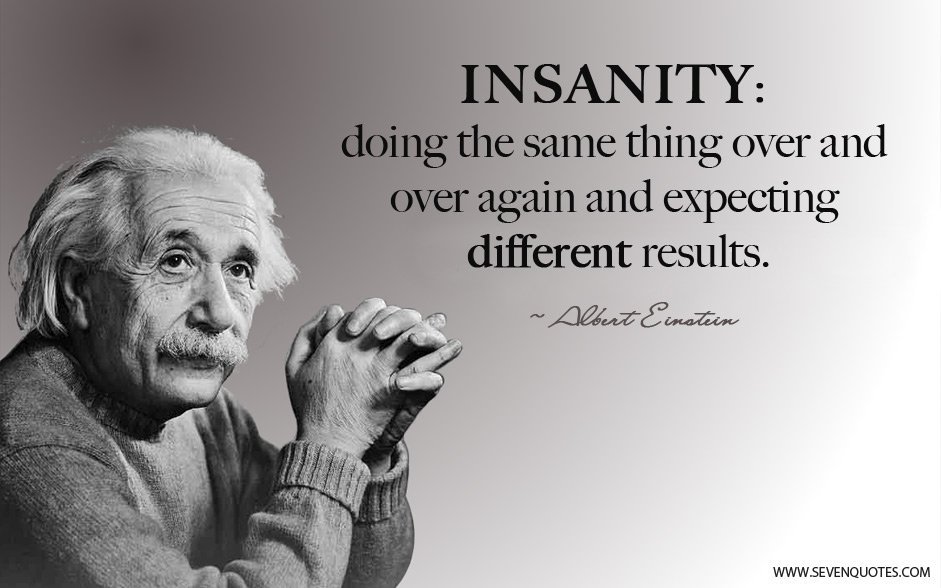
L'emergenza causata dal nuovo focolaio di Hantavirus apparso su una nave da crociera e quella energetica causata da Trump con la sua guerra in Iran hanno qualcosa di profondamente simile. E non parlo semplicemente del fatto che entrambe facciano paura, o che dominino i titoli dei giornali per qualche settimana. Parlo proprio della struttura psicologica e politica dell'emergenza: due crisi che arrivano a pochissimi anni di distanza da altre crisi quasi identiche, e che quindi colpiscono società già stressate, già traumatizzate, già condizionate da esperienze recenti.