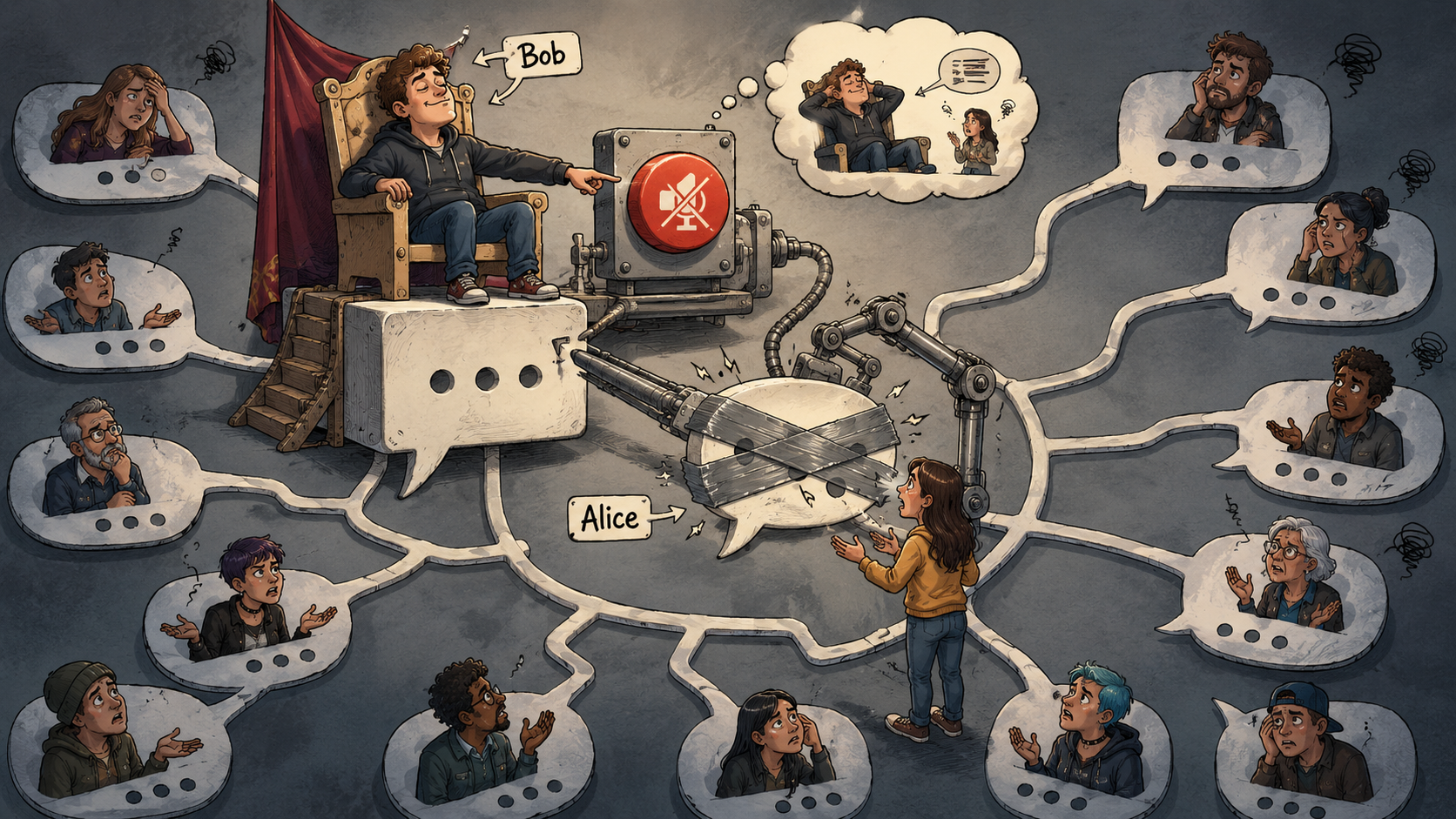
As I write this — I should reach a stable version shortly, it will be v1.0.1 — I am working on my ActivityPub server, turning the fork into something different, and I came across a piece of code that describes the behaviour of the block function.
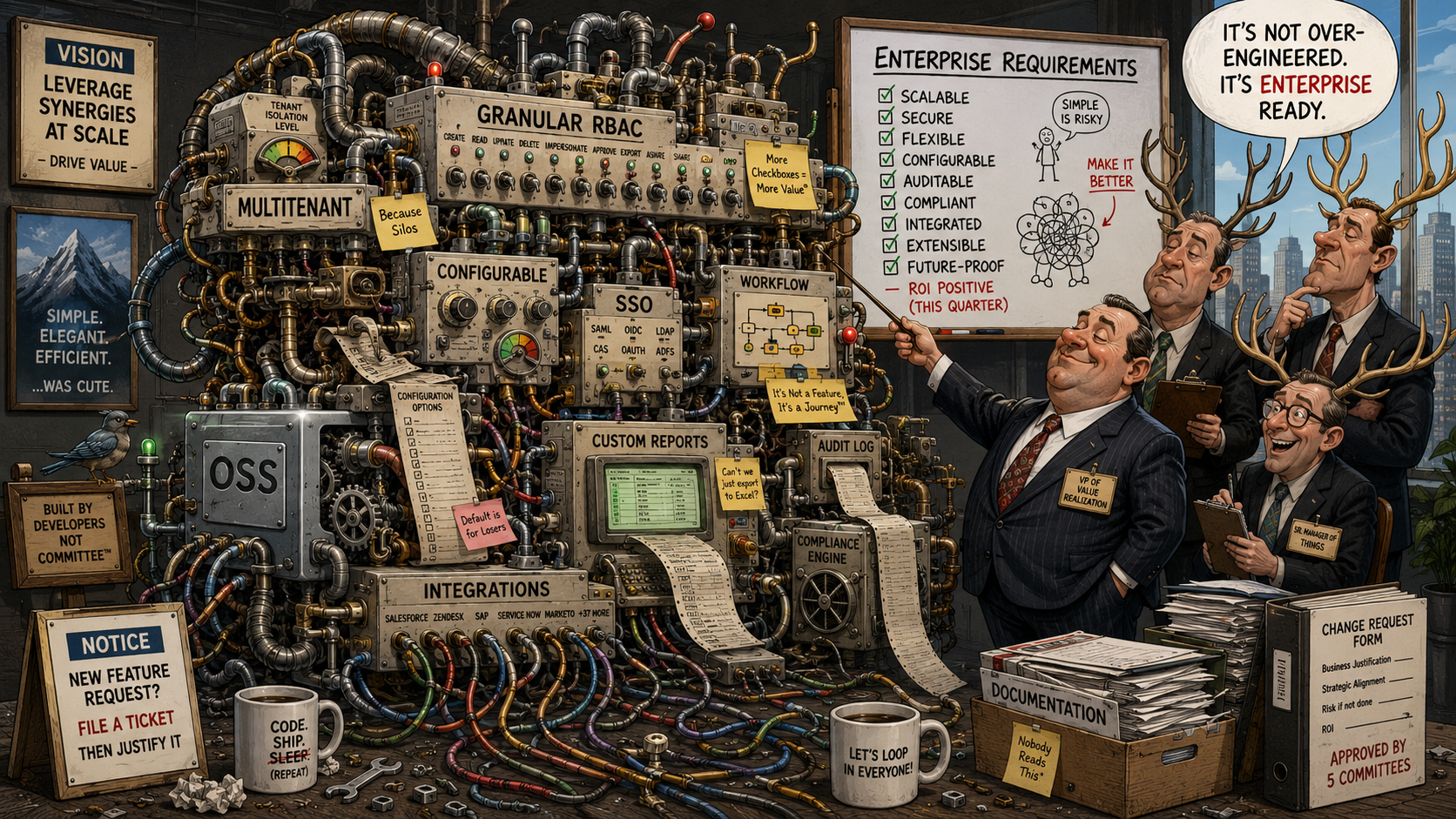
Since I started working, together with my company, on the European project for digital sovereignty, I have begun to understand something I had previously only sensed: a disaster of epic proportions has fallen upon open source.
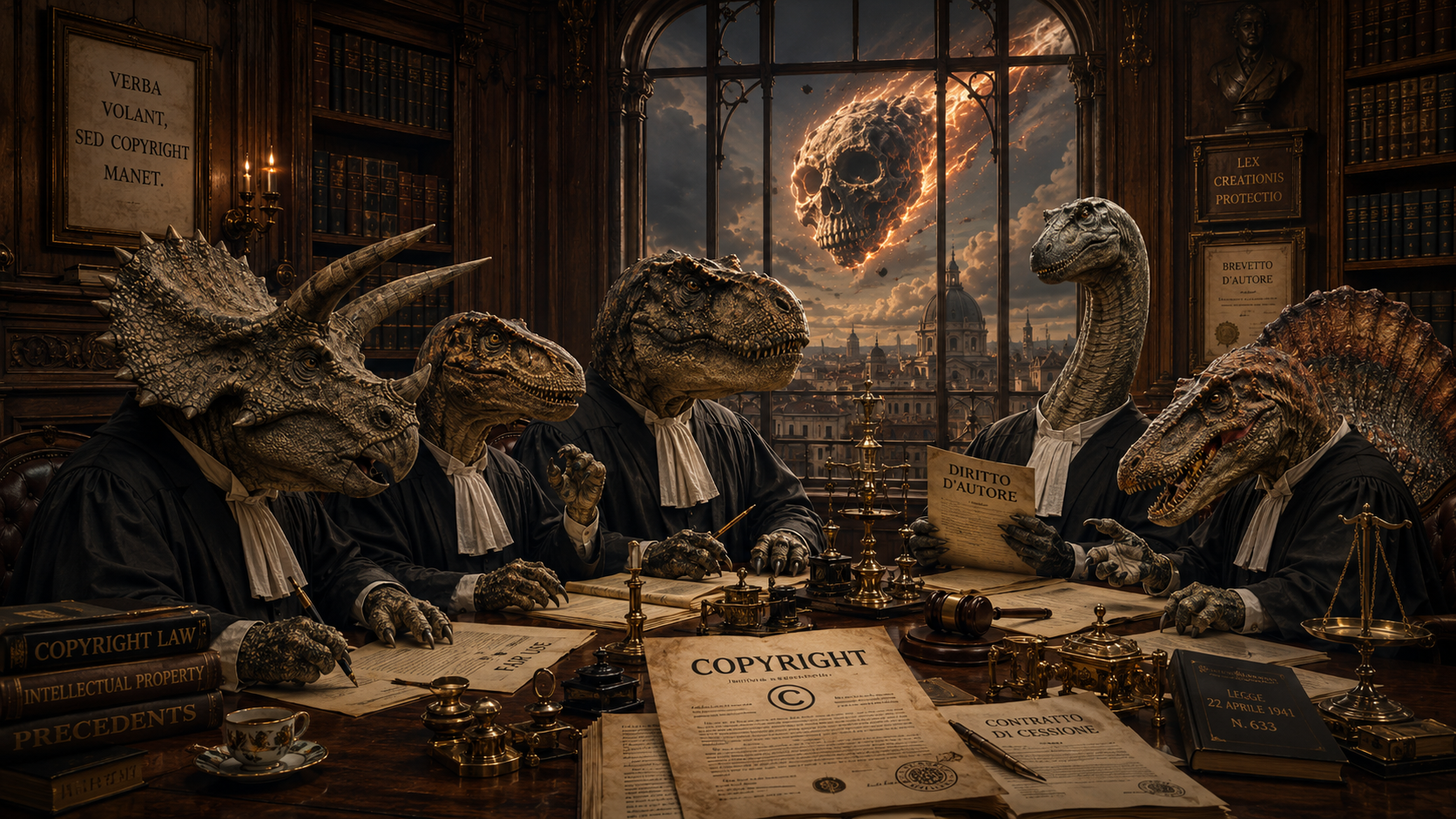
One of the most absurd accusations in the crusade against AI is that it “steals” the content it uses for training. And the even more absurd thing is that, in order to work, this narrative desperately needs to lean on the notion of copyright. Without that conceptual crutch, in fact, the word “theft” would immediately begin to creak.
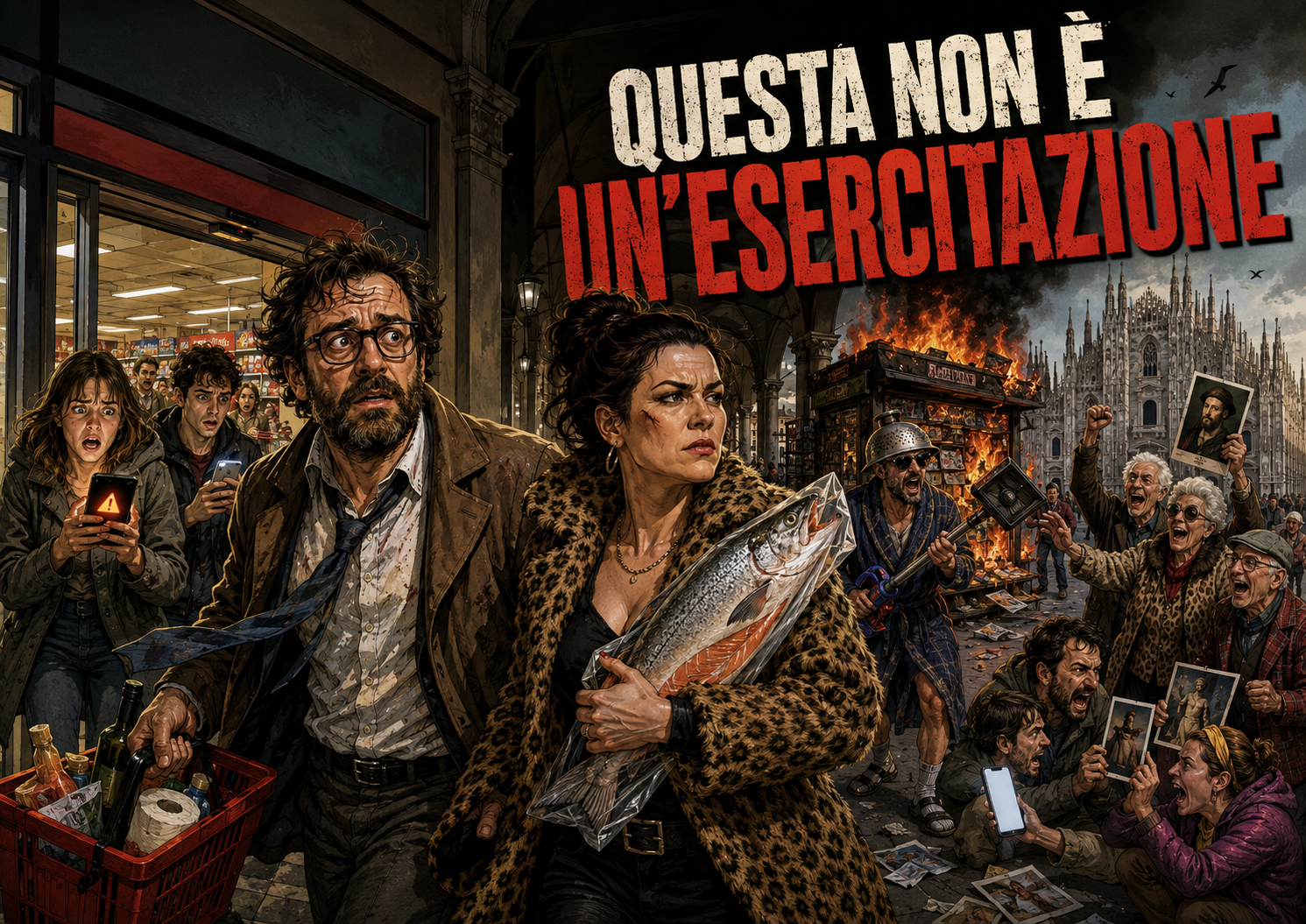
And so, I felt like writing a short story.....
I had been in Milan for only a few hours, having arrived from Germany with that slightly unreal feeling you get when you step off a train or a plane and the world around you is speaking your language again, but not exactly as you remembered it. Milan was doing Milan: traffic, nervous air, people walking as if they were on their way to fire someone, scooters launched like morally superior projectiles, and that Lombard grey which is not a colour, but a diagnosis.
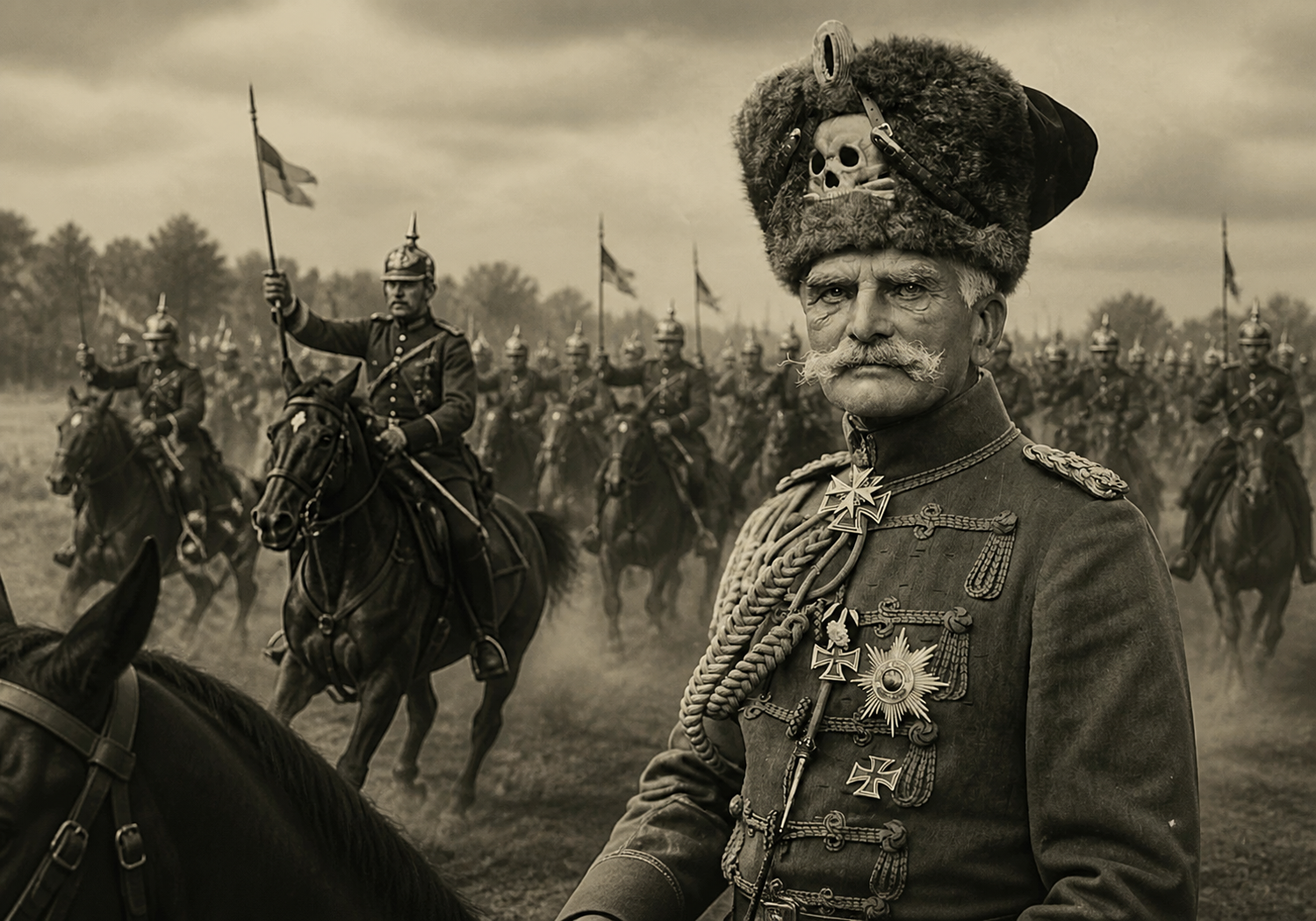
One of the most irritating things — as well as one of the weak points of politics in the sovereign age — is this habit of talking about one’s ideas without actually doing politics. That is, without ever getting to the essential point: saying, or at least suggesting, what policy should follow from those ideas. What the concrete actions of the national government should be, in other words, once those ideas become a policy, a majority, executive power, a signature on a decree, an order given to an official, an instruction sent to a police headquarters, a rule written into the Official Gazette.
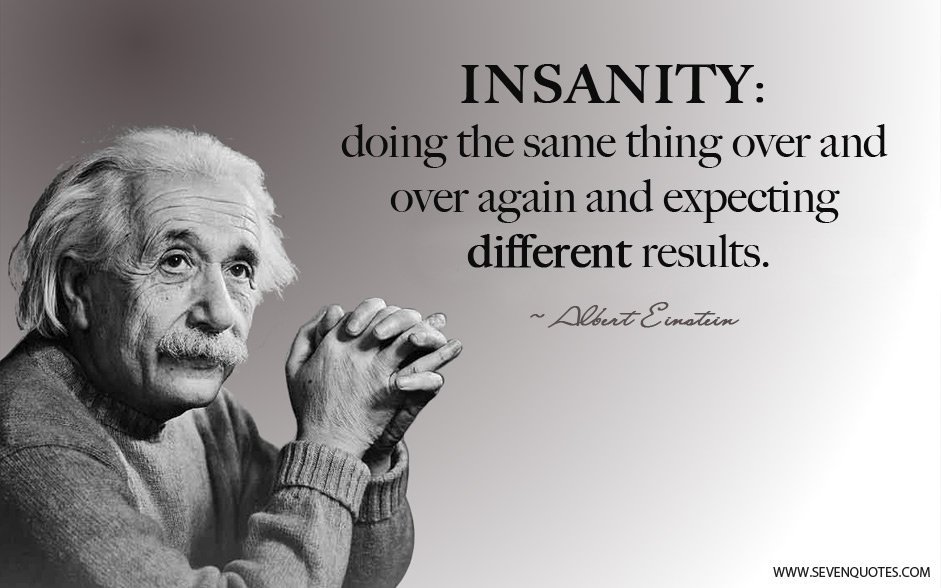
The emergency caused by the new Hantavirus outbreak aboard a cruise ship and the energy crisis triggered by Trump’s war with Iran have something profoundly similar about them. And I am not simply referring to the fact that both are frightening, or that they dominate newspaper headlines for a few weeks. I am referring to the very psychological and political structure of the emergency itself: two crises arriving only a handful of years after other almost identical crises, and therefore striking societies that are already stressed, already traumatised, already conditioned by recent experiences.